

Trauma leaves a lasting imprint on the human psyche, influencing not only our individual well-being but also our intimate relationships. As a clinical psychologist, I have often observed how trauma can weave invisible threads into the fabric of romantic relationships. In this article, we will explore how trauma can influence these relationships, the challenges that arise, and how a deeper understanding can guide us towards individual and relational healing.

Trauma leaves a lasting imprint on our psyche. It influences not only our personal well-being, but also the way we build our romantic relationships.
As a clinical psychologist, I support people whose past wounds come to impact their emotional bonds.
In this article, let us discover how trauma affects a couple, and how it is possible to regain a healthier and more stable connection.
How does trauma influence our relationships?
🧠 Relational patterns rooted in the past
Traumatic events can create unconscious attachment patterns.
These models influence:
- the way we create connection,
- our expectations of the other,
- the way we express our emotions.
For example, some people develop a fear of rejection, others a constant need for reassurance.
👉 Also worth reading: understanding attachment styles
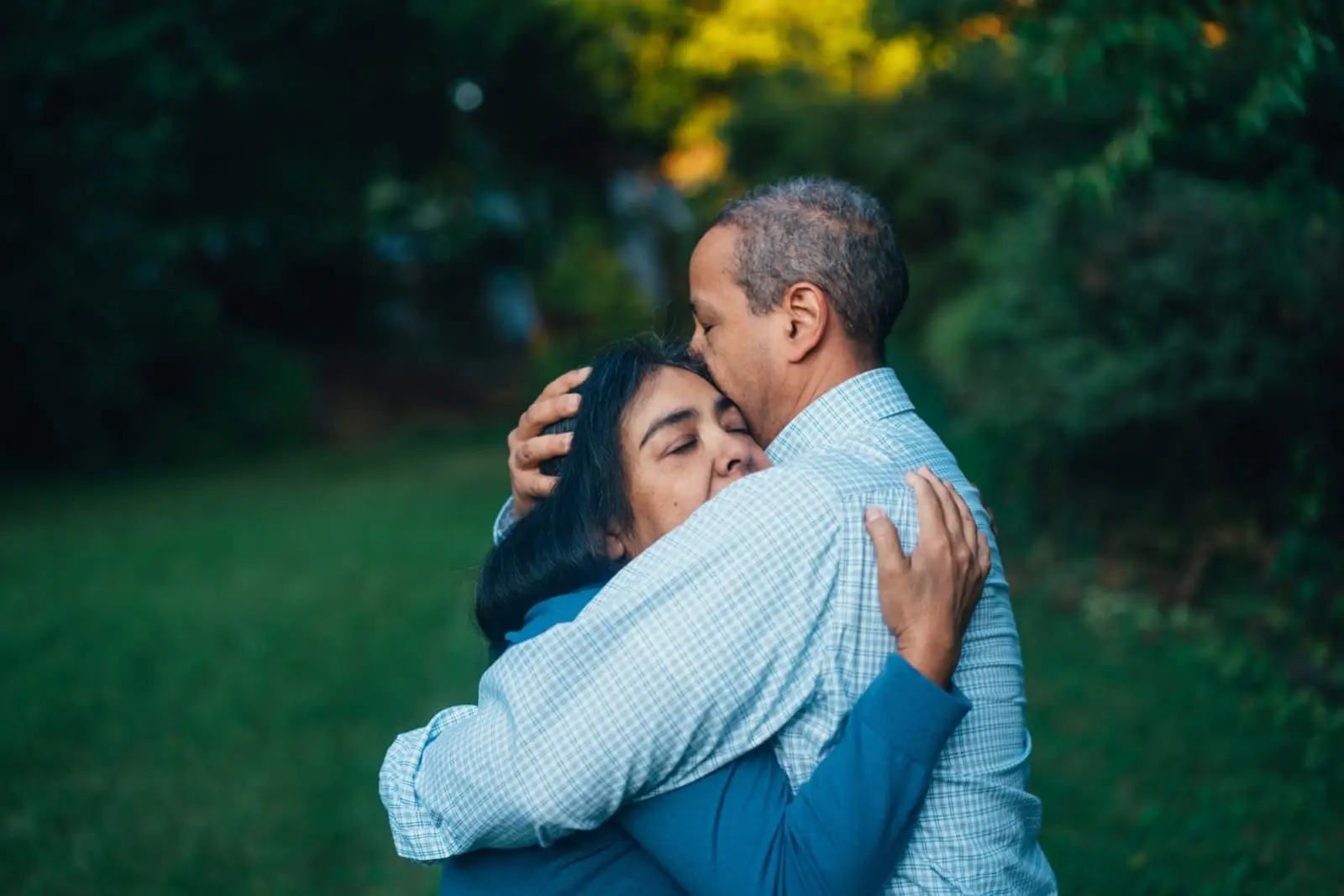
The effects of trauma on trust and intimacy
💔 Fragile emotional bonds
After trauma, it sometimes becomes difficult to trust.
Some people protect themselves by keeping their distance. Others, on the contrary, become very dependent on their partner’s affection.
These reactions are often unconscious, but they complicate the relationship.
Difficult communication and blocked emotions
🗣 Altered exchanges
Traumatised people may struggle to talk about what they feel.
The fear of not being understood or the dread of conflict often limit communication.
The result: unexpressed emotional needs, misunderstandings, and sometimes frustration on both sides.
When the past resurfaces in the present
⚡️ Reactivation of old wounds
Certain gestures, words, or situations can revive painful memories.
These emotional triggers can provoke strong and unexpected reactions.
For example:
- sudden anger,
- withdrawal,
- panic or anxiety.
This can disrupt the couple’s harmony, especially if the partner does not understand the source of these emotions.
How to rebuild together after trauma?
🌱 1. Communicate with sincerity
Open and respectful communication is essential. Indeed, talking about one’s needs, limits, or fears makes it possible to create a space of emotional safety. This caring framework facilitates intimacy and trust.
💛 2. Practise compassion and patience
Healing is not linear. It requires time, gentleness, and understanding.
Thus, supporting one’s partner while respecting oneself is a key posture for strengthening the relationship.
🧑⚕️ 3. Seek support from a professional
In many cases, the help of a therapist is invaluable.
Individual or couples therapy makes it possible to explore the mechanisms at work and free oneself from repetitive patterns. EMDR, for example, can be an effective method for treating trauma.
👉 Discover EMDR, an effective method for treating trauma
👉 Contact me for therapeutic support
Conclusion: a relationship can become a space for healing
Trauma does not prevent us from loving or being loved. However, it needs to be recognised and supported.
Thanks to sincere communication, mutual understanding, and inner work, it is possible to rebuild solid and peaceful relationships.
As a clinical psychologist, I accompany you in this process with kindness and commitment.