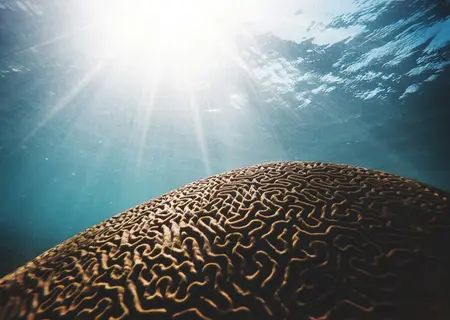

Memory is a complex mechanism that shapes our understanding of the world and influences our behaviour.

Memory is a fascinating mechanism that influences our behaviour and shapes our understanding of the world. Since my early days in psychology, this subject has fascinated me. When an individual goes through a traumatic event, memory reacts in a particular way to trauma, with effects that can sometimes be long-lasting on mental health.
In this article, I invite you to explore how memory works, its interaction with trauma, and how this knowledge can become an essential lever in the healing process.
🧠 How memory works in the face of trauma
Intense encoding of memories
During trauma, the brain may record memories with particular intensity. Activation of the nervous system causes very strong emotional encoding. This is why some people remember very precise details, even years later.
This phenomenon can be unsettling, but it is explained by a natural survival reaction. The brain tries to protect us by retaining what might represent a future threat.
💥 The lasting impact of trauma on memory
Memories linked to an emotional shock can return in an intrusive way, triggering intense emotional reactions. This may take the form of flashbacks, nightmares, or unexplained bodily sensations.
By understanding these mechanisms, it becomes easier to put soothing strategies in place. An appropriate therapeutic approach makes it possible to work on these memories so that they become less overwhelming.
🌱 Strengthening resilience after trauma
Understanding how memory works after traumatic encoding allows us to develop concrete tools to move forward. Here are some strategies often used in therapy:
- Breathing or relaxation techniques to calm the nervous system.
- Mindfulness to observe memories without identifying with them.
- EMDR therapy or body-based therapies to reprocess traumatic memories (see also EMDR and post-traumatic stress).
These approaches support the reintegration of memories into the life narrative, without letting them dominate the present.

🎯 Therapeutic support centred on memory
As a clinical psychologist, I help my patients navigate these complex processes. Memory, although it may seem painful, becomes an ally when we learn to listen to it and understand it.
Each memory is a piece of the puzzle of our story. By working with respect, gentleness, and therapeutic commitment, it is possible to rebuild a sense of inner safety.
✨ Towards lasting well-being
The relationship between memory and traumatic encoding reveals how fragile and powerful our psyche is at the same time. By learning to decode this interaction, we open doors towards healing and lasting well-being.