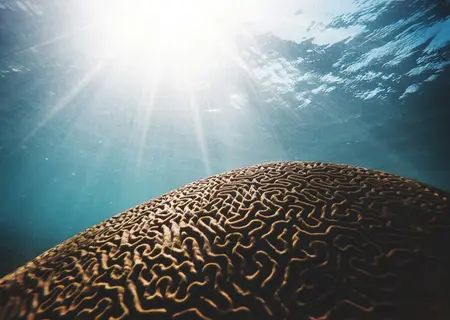

EMDR deeply respects the brain's natural functioning. It imposes nothing. It does not force memories. It does not erase history. It does not take control. Contrary to certain misconceptions, EMDR is not a « magic » technique that makes trauma disappear. It is a natural neuropsychological process that sets the brain's innate information-processing mechanisms back in motion.
EMDR: a natural process, not a magic solution

EMDR deeply respects the brain’s natural functioning.
It imposes nothing.
It does not force memories.
It does not erase history.
Contrary to certain misconceptions, EMDR is not a « magic » technique that makes trauma disappear. It is a natural neuropsychological process that sets the brain’s innate information-processing mechanisms back in motion.
During a traumatic event, the brain is overwhelmed. Survival systems take over, and the normal processing of the experience is interrupted. The memory then remains « blocked », unintegrated, emotionally and physiologically charged, as if the event had never ended.
Deep soothing of the nervous system
One of the most noticeable changes after EMDR occurs at the level of the body.
When trauma is digested:
- The autonomic nervous system regulates itself
- Fight, flight, or freeze reactions diminish
- The body regains an internal state of safety
Indeed, when the body integrates that it is safe again and that what happened is over:
EMDR simply allows the brain to pick up where it left off.
Within a safe framework, with precise therapeutic support, the brain regains its natural ability to:
- process information,
- connect the memory to other experiences,
- give it meaning,
- place it in the past.
👉 Trauma is not erased: it is digested.
What happens when trauma is truly digested?
When a traumatic memory is successfully processed through EMDR, the change is sometimes difficult to describe in simple words. It is not a disappearance of the memory, but a radical transformation in the way the brain and body carry it.
The memory leaves the present to become the past again
Before EMDR, we experience trauma as something that keeps happening. The body reacts as if the danger were still present: accelerated heart rate, tension, hypervigilance, overwhelming emotions. Our memories are not recognised as completed events.
After successful EMDR treatment, however, that same memory changes status: it becomes an event from the past, situated in time, with a beginning, a middle, and an end. Naturally, we can remember without being overwhelmed. The brain no longer automatically triggers the alarm.
👉 We then integrate the memory into autobiographical memory, rather than storing it in a survival circuit.
This work does not come from outside. It does not come from the therapist.
It highlights the capacity of our incredible brain when the conditions of safety, regulation, and attention are met.
This is why the changes observed after successful EMDR are often deep and lasting:
the brain has not learned something new —
it has regained its natural functioning.